Welcome to the Workplace Health Champions Hub
An area designed specifically for those who have completed Level 2 or 3 of their Workplace Health Champion Training
We feel as a small company of 12 that it has brought us even closer tohether and more confident in having discussions
Engineering Employer
Within the Hub, you will be able to access information, tools, and resources to help expand your knowledge and create lasting change within your workplace. You will also be able to access our forum, where you can connect with fellow Workplace Health Champions and ask questions, share stories, and inspire one another.
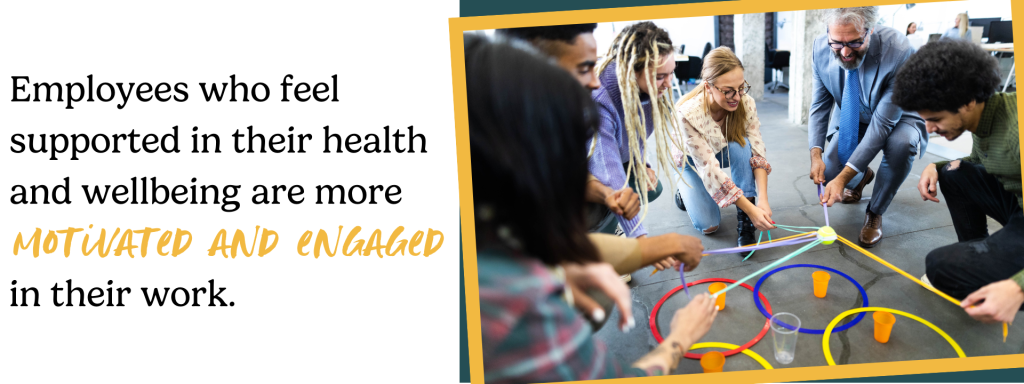
Good health and well-being are essential for enhancing employee engagement and boosting organisational performance. Take an active role in promoting workplace health.
Join us on the journey to a healthier, happier life where well-being is a way of living, not just a goal. Completing this course might inspire you to become a qualified Workplace Health Champion.
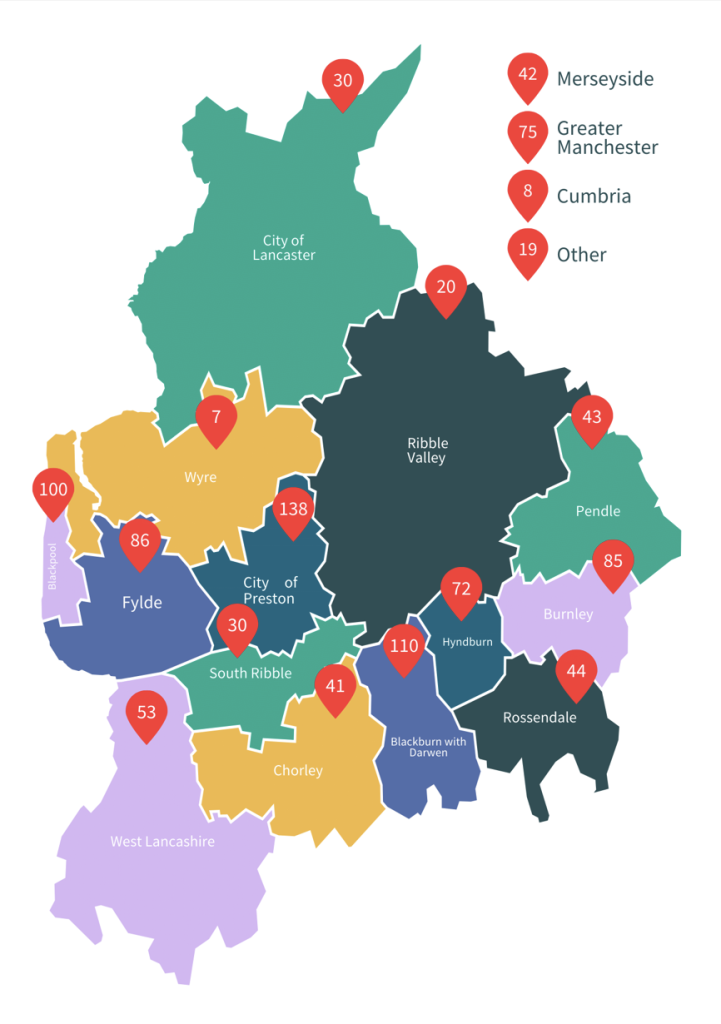
We are inspiring and upskilling people to become Workplace health Champions across Lancashire
Tools and Resources
Wellbeing is crucial for a balanced, healthy, and fulfilling life. It impacts physical health, mental stability, productivity, relationships, resilience, and overall life satisfaction, creating a foundation for individuals to thrive and contribute positively to society.
- 5 Top Tips for Mental Wellbeing
- A guide to implementing the ‘Thriving at Work’ standards in the sport and physical activity sector
- Mind Tips for Stress
- Mind Tips for Sleep
- Mind Tips for Relaxation
- Mind Tips for Physical Activity
- Mind Tips for Panic Attacks
- Managing stress and building resilience in the workplace
- Live Your Best Working Life Posters
- How to implement the thriving at work mental health standards
- How to Manage and Reduce Stress
- Five Ways to Wellbeing Evidence
Living a healthier and active lifestyle is essential for overall well-being, reducing the risk of chronic diseases, enhancing mental health, and improving the quality of life. It empowers individuals to lead fulfilling lives and positively influences those around them.
Explore a variety of tools and resources designed to help you understand how to live a healthier lifestyle and motivate others to take a more active role in their health.
- Benefits of exercise
- Why we should sit less
- Physical activity guidelines for adults aged 19 to 64
- Physical activity guidelines for older adults
- Physical activity guidelines for children (under 5 years)
- Fitness advice for wheelchair users
- How to improve your strength and flexibility
- Strength and Flex exercise plan: How-to videos
- Balance exercises
- Sitting exercises
- Strength exercises
- Flexibility exercises
- Exercises for sciatica problems
Self-help tips to fight tiredness
Many cases of tiredness are due to stress, not enough sleep, poor diet and other lifestyle factors. Try these self-help tips to restore your energy levels.
Sleep well
Many people don’t get the sleep they need to stay alert through the day. The website of the Royal College of Psychiatrists has information on sleeping well.
Reduce stress to boost energy
Stress uses up a lot of energy. Try to introduce relaxing activities into your day. Read more about how to relieve stress.
Talking therapy beats fatigue
There’s some evidence that talking therapies such as counselling or cognitive behavioural therapy (CBT) might help to fight fatigue, or tiredness caused by stress, anxiety or low mood. See a GP for a referral for talking treatment on the NHS, or for advice on seeing a private therapist.
Cut out caffeine
Caffeine is a stimulant which means it makes you feel more awake. But it can also disrupt your usual sleep rhythms, leading to problems sleeping and then daytime tiredness. The Sleep Charity recommends you reduce your intake gradually. Trying to suddenly stop can lead to insomnia and headaches.
Drink less alcohol
Although a couple of glasses of wine in the evening can help you fall asleep, you sleep less deeply after drinking alcohol. The next day you’ll be tired, even if you sleep a full 8 hours. Cut down on alcohol before bedtime. You’ll get a better night’s rest and have more energy. The NHS recommends that men and women should not regularly drink more than 14 units a week and should try to have several alcohol-free days each week. Read more about how to cut down on alcohol.
Drink more water for better energy
Sometimes you feel tired simply because you’re mildly dehydrated. A glass of water will do the trick, especially after exercise. Read more about water, drinks and hydration.
Additional Learning
Extra courses to support you in the role of Workplace Health Champion.