- A new survey reveals 78% of Lancashire parents want their family to be more active together, but 7 in 10 (78%) don’t think they’re ‘good enough’ at sport
- EastEnders actress and mum Charlie Brooks has joined the nation’s fitness coach and dad Joe Wicks to launch the New Moves Club’ encouraging families across the country to try a new activity together in a bid to get more families active
- ‘New Moves Club’ is part of the Government’s Let’s Move! campaign, which inspiresnfamilies with activities that can take just 10 minutes, building up to the recommended 60 minutes a day of active time children need.
New research reveals the majority of parents (78%) would like their family to be more active together. However, the survey shows parental confidence can be a significant barrier – 63% of parents say they are not naturally ‘sporty’, and 78% avoid activities altogether becausethey don’t think they’ll be ‘good’ at them.
Meanwhile, 74% of parents say it is harder to encourage their children to be active if they are not active themselves. NHS guidelines recommend that children should aim for an average of at least 60 minutes of physical activity a day, but currently less than half of UK children are getting this recommended amount.
Moving together as a family provides more than just health benefits; the new research has also found it gives them more quality time together (29%), happier children (28%) and less screen time (29%).
To tackle this inactivity amongst children aged 7 – 11, the Government has launched the latest phase of its Let’s Move! campaign with the ‘New Moves Club’ concept, which shows that it’s not about being ‘good’ at a sport or activity – it’s just about joining in together. For children themselves, the number one biggest motivator to get active with their
families is to have fun (35%).
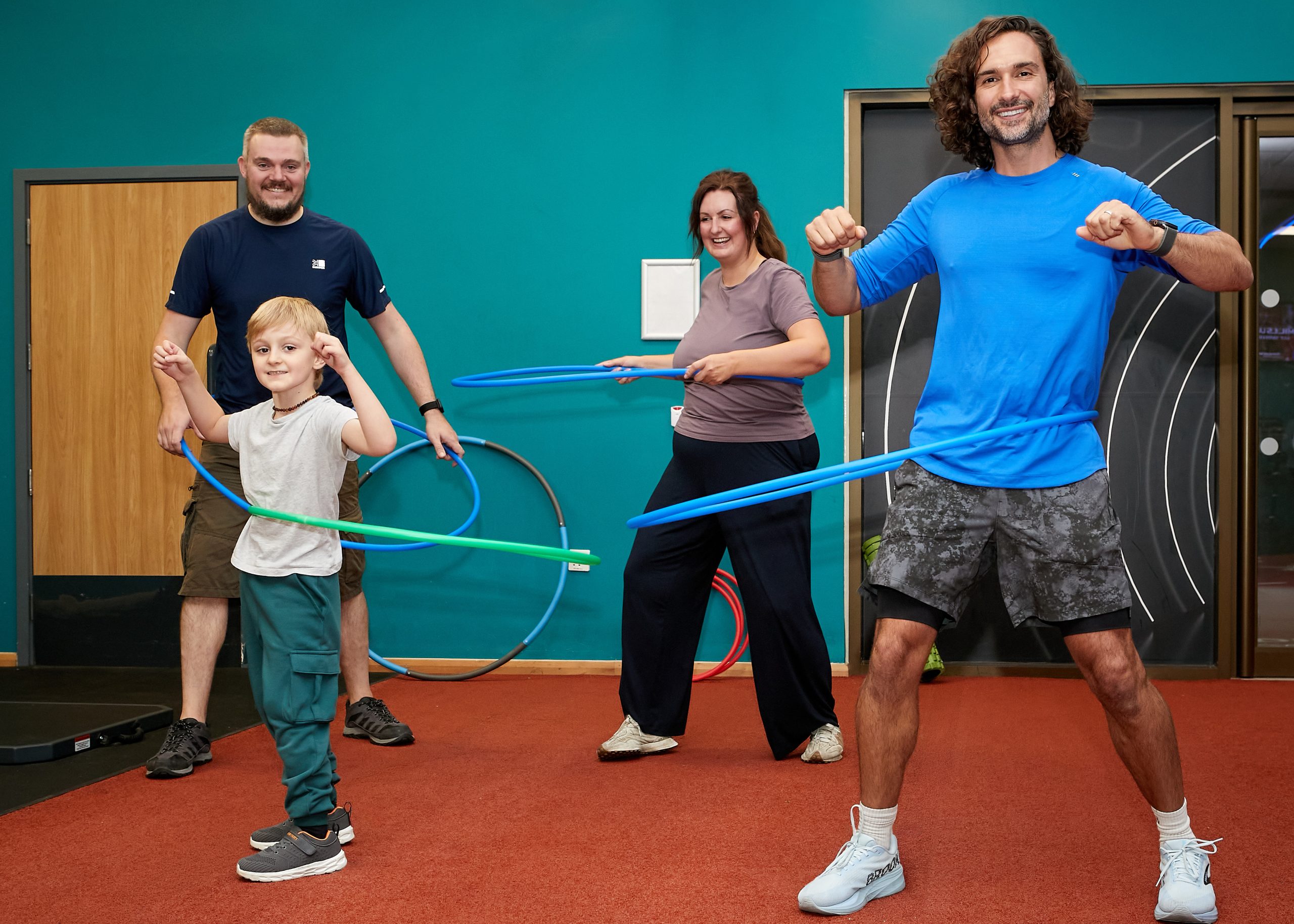
A new short film, released to launch the campaign, features EastEnders actress and mum of one, Charlie Brooks, who doesn’t see herself as traditionally sporty but enjoys being active with her family. She teamed up with leading fitness coach, Joe icks, Wand together they met parents across the country going side-by-side with their kids to take on activities they’ve never tried together before – or never thought they’d be good at – from basketball and cricket to yoga and hula hooping.
The campaign celebrates the laughs, wobbles, memories and small moments of achievement that come from getting started and shows that when parents join in – however imperfectly – children feel more confident, engaged and willing to keep going.
Charlie Brooks said: “Children don’t care whether you’re sporty or good at something; they just want you to join in with them. That’s something I’ve learned both as a working mum and an auntie. Looking back, some of the best moments with my daughter and my niece and nephew weren’t necessarily the activities that went perfectly; they’d often be the simple
moments spent kicking a ball around in the park, dancing in the kitchen or trying something new at the weekend together – however silly we might look.”
Alongside parental confidence, 34% of parents said a lack of time prevents them from taking part in physical activity alongside their children. Let’s Move aims to make it easier for parents to achieve the NHS recommendation, by incorporating 10-minute bursts of physical activity into their day.
Charlie added: “It’s a busy time of year and between work, school runs and the British weather, getting everyone moving can sometimes feel like one more thing to fit into the day. But it’s such a parenting win when you realise you can build movement into routines you have already, even if you only have 10 minutes – and when you see what a difference that
makes to the whole family.”
Tanya, from Lancashire who also features in the campaign film with her child, said: “My son Ollie has loads of energy, and loves being active, but I don’t personally see myself as a sporty person, which has sometimes stopped me from joining in. It’s also easy to think that being active means joining a club, gym or being good at a particular sport, which can feel a bit unachievable, especially when family life is busy and time is scarce.
What I’ve learnt is that you don’t need to be ‘perfect’ or an ‘expert’ at an activity or sport to give it a go with your kids. Seeing how much fun Ollie had trying out activities like hula hooping together made me realise that children don’t care how good you are at an activity, they just want you to join in and spend time together.”
Joe Wicks said, “Getting kids active doesn’t need to mean expensive kit or spending hours mastering a skill. It can start with just ten minutes of movement and trying something new together as a family. I always say it doesn’t matter what it looks like – if you’re all having a laugh, getting your bodies moving and getting a boost, then you’re doing it right. When parents get involved, however imperfectly, kids naturally want to keep going. They feel supported, confident, and suddenly being active becomes something the whole family can look forward to.”
Sports Minister Stephanie Peacock said, “Every child deserves the chance to enjoy the benefits of being active. We know that children who get at least an hour of physical activity a day are happier and healthier, but new research shows that many parents lack the confidence to try activities with their children.
“This year’s Let’s Move! campaign is celebrating having a go, and most importantly having fun. We’re encouraging families to try something new together – whether that’s a kickabout in the park, a quick family walk after school or a dance at home. When parents join in and give it a go, it helps children see that being active is fun, achievable and for everyone.”
The campaign is part of the Government’s wider effort to build a healthier and more active nation, which includes a £400 million investment in grassroots facilities that is already giving communities all over the country better spaces to keep fit and play sport. Building early physical activity habits can help people age in good health, as physical activity directly prevents 3.2 million cases of long-term health conditions per year, according to Sport England.
Supporting the Let’s Move! New Moves Club campaign? Resources available to download from the Department of Health and Social Care.